
Scratch That
A Little Too Competitive

Sarah was not fond of partaking in sport. Football was not ideal for a person of her low stature and high avoirdupois, and anyhow she was too shortsighted to kick anything except her enemies. Hurdling or running was, to her mind, only something you did to get away from things, like boring people or bad examination results. To be sure, she had been very good at cards in her youth, and had made a great deal of money from poker: she’d had a little green eyeshade and a long cigarette holder. But regrettably, being a cardsharp was a sedentary and indoor activity. Not a sport. She’d have to find something else if she wanted to improve her health.
How about golf? To be sure, the clothes were unbecoming: the knickerbockers, the Pringle pullovers, the diamond socks, the studded shoes. But the sport itself might fit the bill. After all, to lug a golf bag around was better than doing weights at the gym, and if she had to have a golf buggy, she could use it as training for the eventual wheelchair. She resolved to try.
Now Sarah was ferociously competitive, and she could not bear to be mediocre in anything she undertook. She joined a club, played in tournaments, and gradually her handicap came down and down. She was overjoyed when, on being asked was her handicap was, she was able to reply, “Scratch. That’s what I’m worth.”
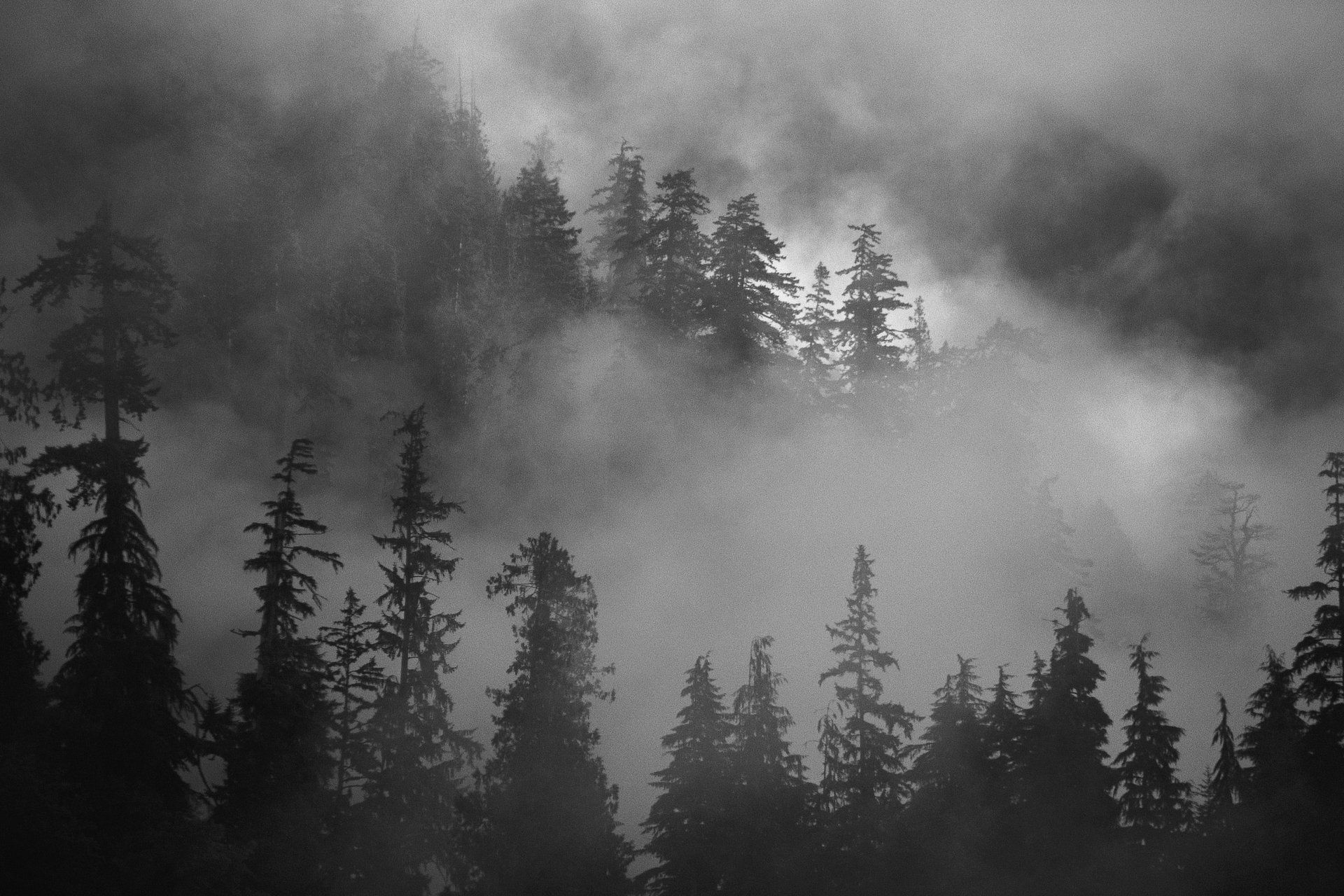
So far so good. But then an insane hunger to win enveloped Sarah, and she resolved to cast a spell and compete against the great players of the past: Arnold Palmer, Jack Nicklaus, Tiger Woods. And so she did. They came shimmering out of the mist, and did their best: birdies, holes in one, clubs glinting as they swung in the light. But she trounced them all. After that, Sarah decided to evoke the forces of darkness for her game. She used wisdom teeth for her golf tees: they stood up proud on the tee-off, with the roots (some of them slightly bloody) pressed firmly into the ground so that the balls sat nice and high. And the balls themselves were able to sprout wings and whizz to their destination, hovering and plopping with a plump sound into the hole. Also her clubs learned to speak: they clattered and chattered in her golf bag, each one claiming to be the best weapon for the next shot. Worst of all was her capacity to ill-wish her fellow-competitors on the 18th fairway: the bunker there was unusually capacious, and several of her fellow-players dropped dead with their faces in the sand. As Sarah remarked though, the sand made disposal easier: you could hardly distinguish it from funerary ashes.
In the end, all this did her reputation no good. Folk said that she was unfair, ruthless and vengeful. No one would play with her any more. In the end, she prowled around the club-house bar, muttering to those that would listen, “Scratch that! Scratch that!”, holding out her arms now wizened from the sun, with the skin hanging off in ribbons. But no-one would. No-one at all.